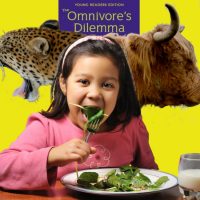
An Animal Dilemma for Children to Solve

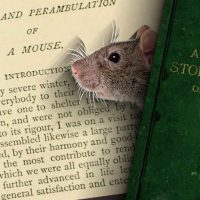
Mi­chael Pol­lan proves to be ver­sat­ile enough to de­vise two ver­sions of The Omnivore’s Di­lemma: the ini­tial one, sub­titled A Nat­ural His­tory of Four Meals, writ­ten for adults and a second one, sub­titled The Secrets Be­hind What You Eat which is an abridged and re­writ­ten Young Read­ers Edi­tion, meant for a ju­ven­ile audi­ence. Of course, in the lat­ter ver­sion the dis­turb­ing de­tails of … Read on …

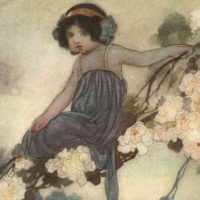
”A Kiss to Wake the Sleeper” by Rabih Alameddine

The title of the text re­calls the “Sleep­ing Beauty” fairy tale. The text also pre­serves two of its most im­port­ant char­ac­ters: the sleeper and the wake‑r. The girl’s con­di­tion that forces her to stay cap­tive in an an­ti­sep­tic bubble is sym­bolic for the prin­cess who is held cap­tive in her own sleep. Read on …

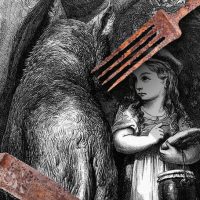
”There Once Lived a Woman Who Tried to Kill Her Neighbor’s Baby: Scary Fairy Tales” by Ludmilla Petrushevskaya

Se­lec­ted and Trans­lated by Keith Gessen and Anna Sum­mers “My stor­ies are a mir­ror. People see them­selves in them. If they see evil, it means they’re evil. If they see good, it means they’re good.” (Pet­rushevskaya qtd. in Guzeva 2018)  Mys­ter­i­ous, un­pre­dict­able, hal­lu­cin­at­ing, bru­tal, yet hon­est, em­pathic and pre­serving a pure and dir­ect style – Read on …

Symbolism in Oscar Wilde’s fairy tale “The Selfish Giant”

Through­out time, myth­o­logy and folk­lore have served as in­spir­a­tion for lit­er­at­ure due to their them­atic com­plex­ity and rich­ness in char­ac­ters. There are vari­ous au­thors who have in­tro­duced myth­o­lo­gical ele­ments within their lit­er­ary works in or­der to point out the hid­den mean­ings and uni­ver­sal truths. Some of the most well-known char­ac­ters who are used to con­vey Read on …