
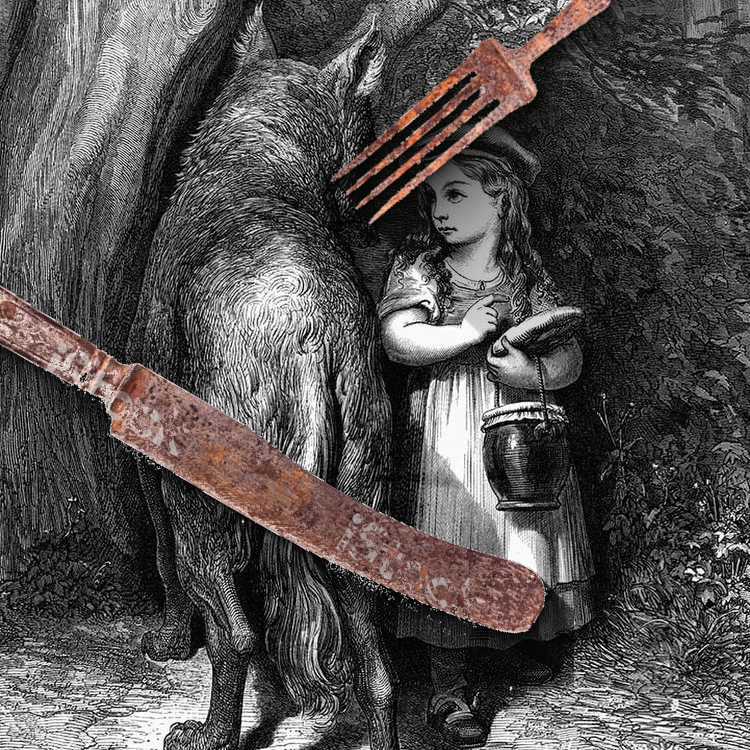
In this age of global electronic miracles, fairy tales have survived by cutting their ties with their self-imposed role in the ”socializing of children” and by returning to their ancestral roots, where dark instincts, fear, desire and violence rule supreme.
Whether postmodern, or postcolonial, or just sensationalist and commercial, such unusual stories are thriving, flooding our bookstores and screens. Some come form afar, like some sumptuous ships, some lie uncomfortably close to our skin, like some black bugs. We pull the former closer with our critical spyglasses and binoculars and longue-vues and telescopes. We push the latter safely away with our exegetic loupes and magnifying glasses.
”A Kiss to Wake the Sleeper” by Rabih Alameddine
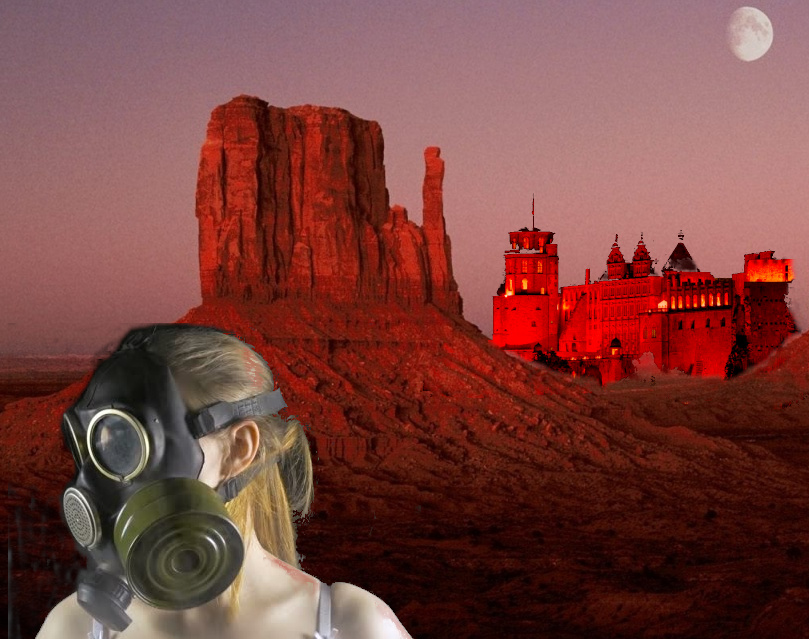
The title of the text recalls the “Sleeping Beauty” fairy tale. The text also preserves two of its most important characters: the sleeper and the wake‑r. The girl’s condition that forces her to stay captive in an antiseptic bubble is symbolic for the princess who is held captive in her own sleep. Read on …
Little Red Riding Hood corrupted
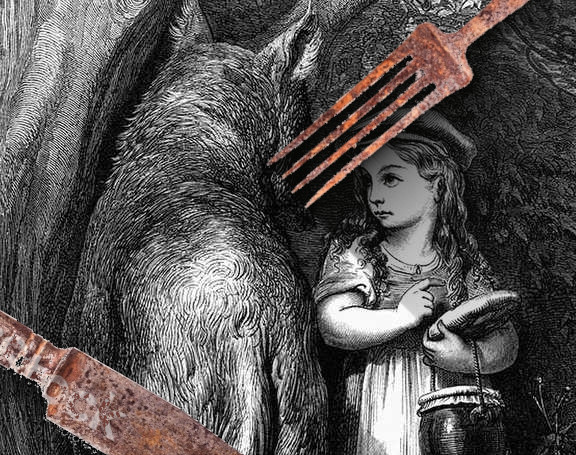
With ”The Girl, the Wolf, the Crone,” Kellie Wells rewrote the story of Little Red Riding Hood, presenting it as a corrupt version of the story by changing the gender roles. She states that with this version, she tried to make it “kind of garishly lit, demi-lucid dream”, Read on …
Ink and Dust: Cornelia Funke‘s World
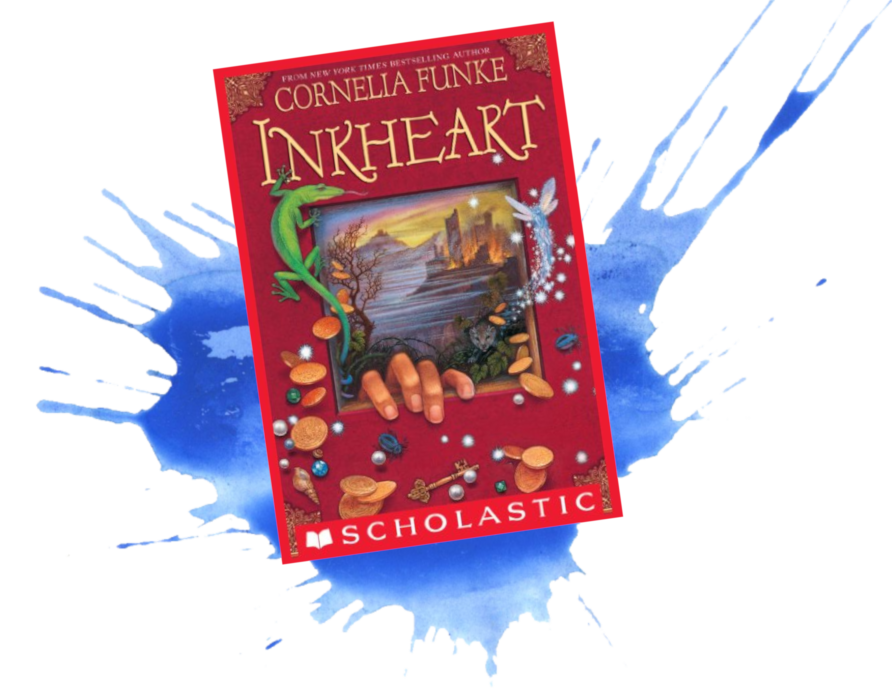
If you were a character, how would you feel meeting your creator, the author that invented you? Read on …
Angela Carter — ”The Bloody Chamber”
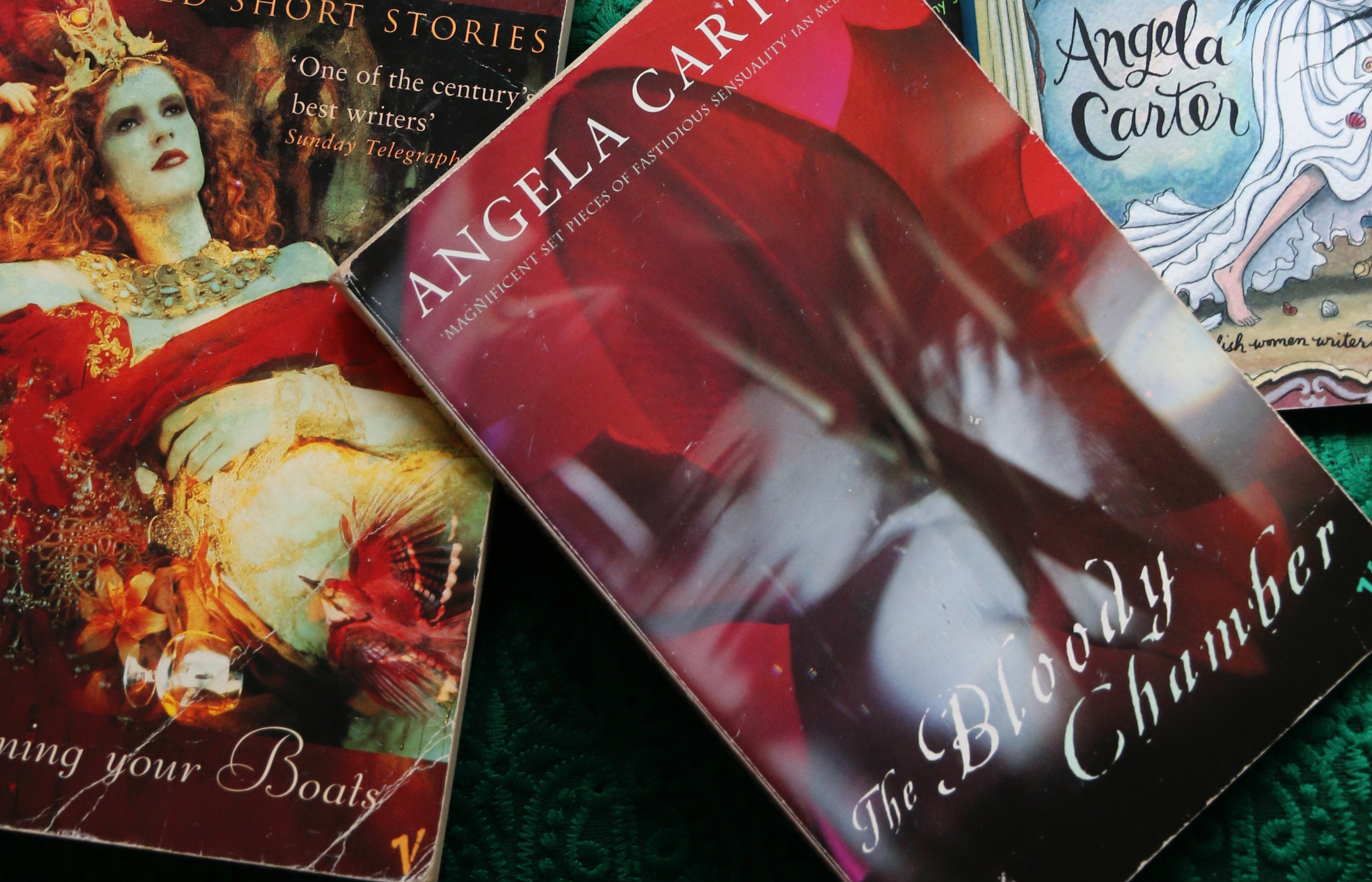
He senses she is curious and there is only certain path she could take, the path where he leads her to. The other half is an anticipation of the murder. This is what he longs for. Read on …
”There Once Lived a Woman Who Tried to Kill Her Neighbor’s Baby: Scary Fairy Tales” by Ludmilla Petrushevskaya
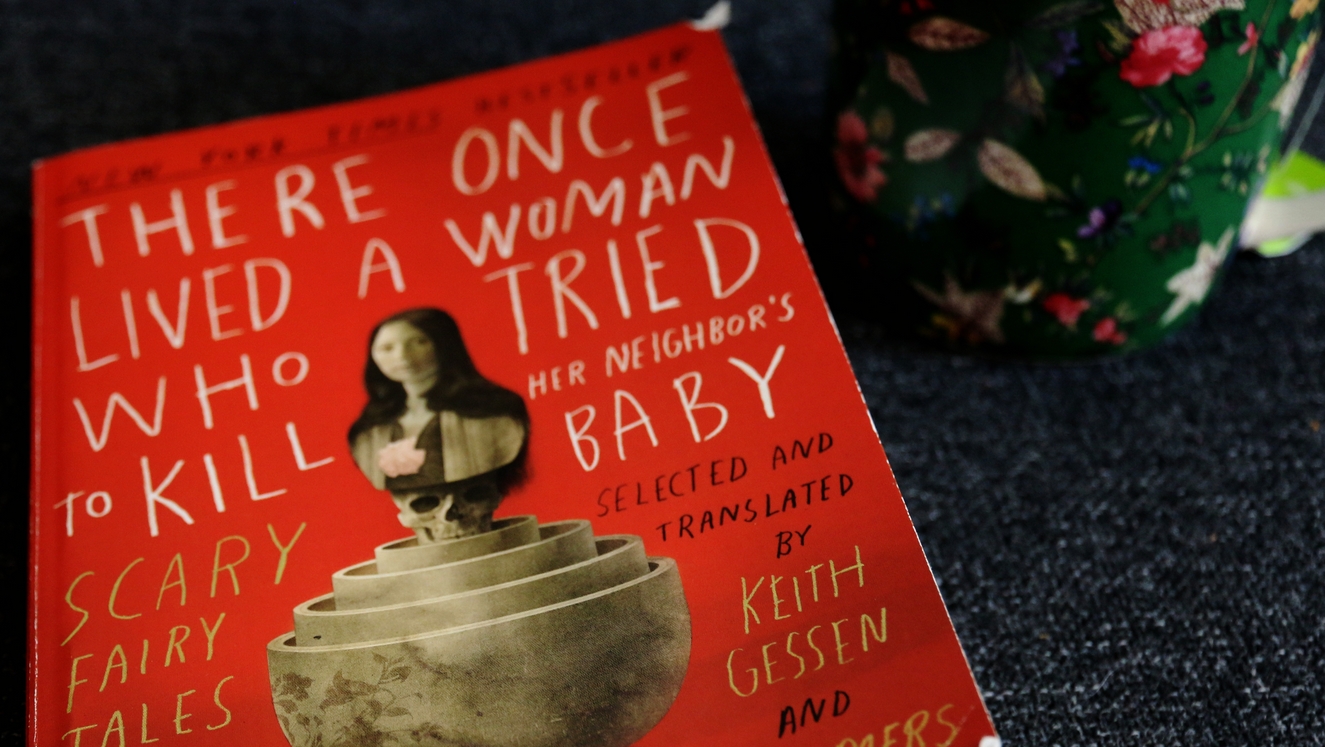
Selected and Translated by Keith Gessen and Anna Summers “My stories are a mirror. People see themselves in them. If they see evil, it means they’re evil. If they see good, it means they’re good.”…
Symbolism in Oscar Wilde’s fairy tale “The Selfish Giant”
Throughout time, mythology and folklore have served as inspiration for literature due to their thematic complexity and richness in characters. There are various authors who have introduced mythological elements within their literary works in order…